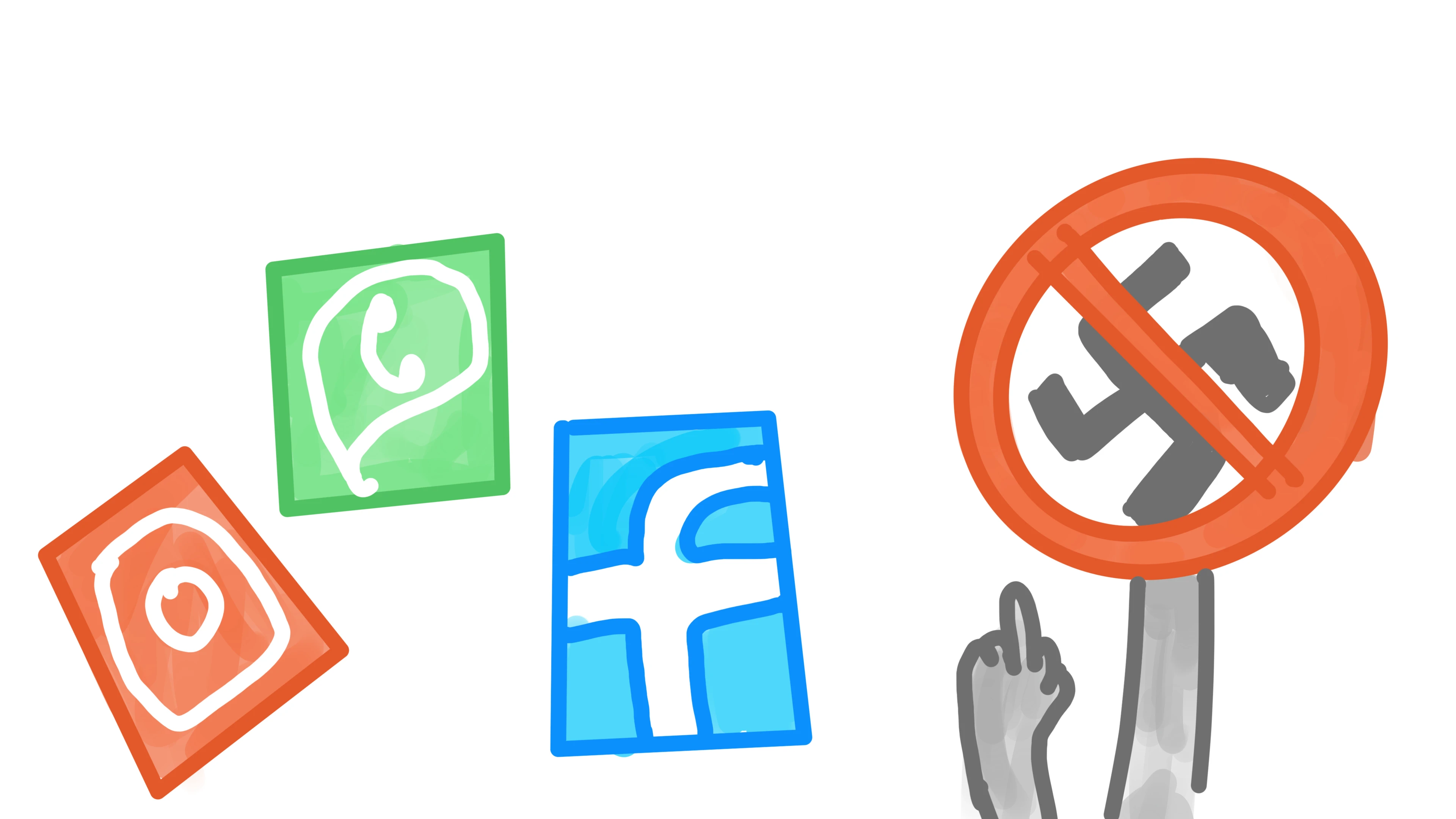
During February, I’m going to disconnect from all Meta applications (WhatsApp, Facebook, Instagram, Threads…). In this article, I explain why I’ve made this decision.
TL;DR, I’m doing it for survival, for my mental health, and because there are better alternatives.
Related:
Why now?: The rise of techno-feudalism
One advantage of attending tech events is that you learn about trends and can anticipate future changes.
And let me tell you, what I’m seeing, I don’t like.
Starting close to home, “The Wave” is the tech event organized by the government of Aragón and leading companies in the sector. The event’s visual identity is cyberpunk: neon lights and heavy electronic music:
At first, I thought it was an innocent mistake. Cyberpunk is a warning about the neoliberal policies implemented by Thatcher and Nixon in the previous decade. That’s why movies like Alien, Blade Runner, or RoboCop are technofeudalist dystopias in which megacorporations have replaced governments. Workers in those worlds are so poor they might as well be slaves.
A politician wouldn’t wish that on their citizens, right?
That’s why I started to get alarmed when Jorge Azcón, president of Aragón, said during the presentation of “The Wave 2026”: “We want to copy Silicon Valley.”
San Francisco is often spoken of in glowing terms, but the ugly details are frequently left out. For example, rents starting at $5,000, or the encampment of unhoused people next to City Hall.
In February 2020, I walked through that area and was horrified. More than two kilometers of tents filled with young people and workers who couldn’t afford housing, and who in many cases had been ruined by medical bills.
Two kilometers!
On a main street of the city!
In the supposed technological capital of the Western world!
But this isn’t a problem for the upper class—they don’t walk the streets. When they need to be safe, they build parks ten meters above the ground, like Salesforce Park:
Public services don’t provide safety, but the megacorporation that builds a private park does.
When Azcón says it’s copying San Francisco, he knows poverty will be a necessary collateral damage.
What convinced me that these are not coincidences but the ideology of a generation was a documentary about Neom. This is Saudi Arabia’s ambitious project that includes several developments, such as “The Line, a linear city 170 km long and 500 meters tall.
Hear this, Blade Runner was the inspiration for this project.
Then I understood it. The global elite grew up with 1980s cyberpunk, and they took that extreme caricature of neoliberalism as an instruction manual.
And what’s worrying is that they have the power to turn that dystopia into reality.
And they are doing it.
They could have chosen a utopian future like Star Trek, but no—they prefer us poor and complacent.
I, from ten years ago, would call me exaggerated if I told them all this, but they also wouldn’t believe that Trump is president for a second term. Remember, back then, former President Trump was just a joke from “The Simpsons”.
Under the umbrella of neoliberalism, large corporations have become more powerful than many countries. Now they use all that power to influence global politics, either through lobbying:
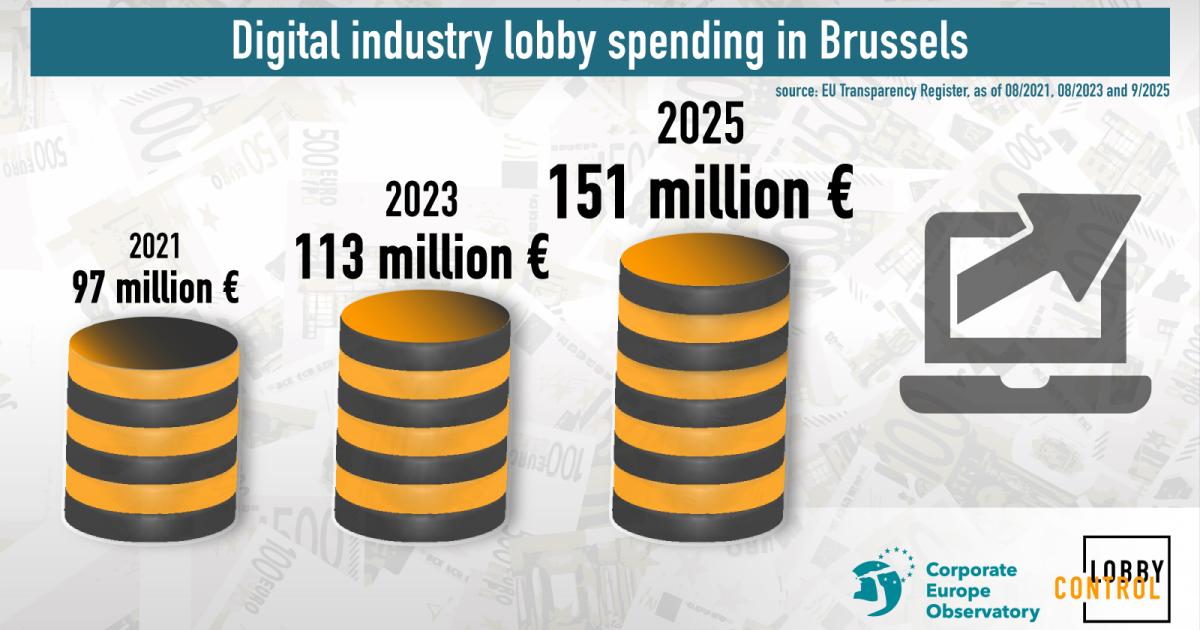
Or by directly financing politicians who help destroy democracies from within:


Why do they support the far right?
For efficiency. In a dictatorship, you only need to manipulate one leader; in a democracy, there are too many voices.
Little by little, we’ve reached the point where people are starting to talk about a civil war in the United States, or a Third World War.

I have the feeling that the situation is spiraling out of control exponentially. Remaining a user makes me a silent accomplice.
Why am I leaving Meta specifically?
Meta sponsors fascism
When Elon Musk bought Twitter, he said, “Free speech is the bedrock of a functioning democracy. About three years later, he performed a Nazi salute in public.
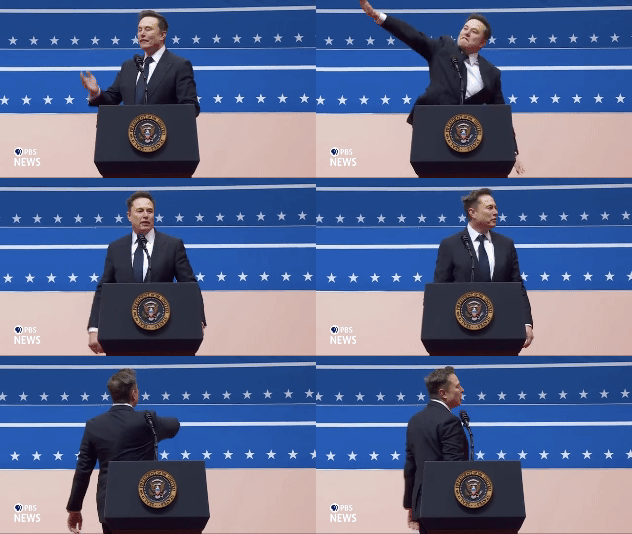
Mark Zuckerberg (Meta’s CEO) doesn’t raise his hand, but he does use freedom of expression as an excuse to give a platform to hate speech.
At the beginning of 2025, they dismantled their fact-checking teams, dramatically increasing the amount of fake news on their networks.
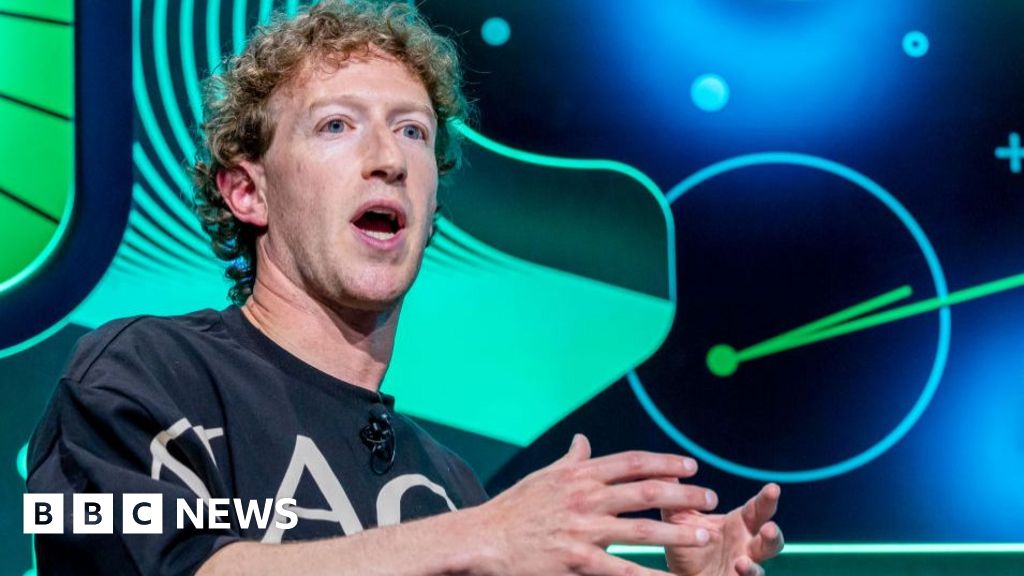
They also changed their policies to allow hate speech.
The official narrative is that these decisions were necessary to appease the White House. But the facts are that in 2016, Facebook enabled Cambridge Analytica to influence the election in Trump’s favour. After the scandal, they took steps to make it even easier to manipulate their users.

Both Trump and far-right movements worldwide owe their rise to the preferential treatment they receive from tech companies.
Meta gets rich at the expense of my mental health
Meta [lives off the advertising they show us](If you’re not paying for it, you’re the product](https://en.wikipedia.org/wiki/You_are_the_product).
The longer we stay, the more ads we watch, the more money they earn.
Meta employs teams of psychologists to figure out how to hack our brains so we stay on their platforms longer.

One of the most harmless techniques is infinite scrolling. Instagram or TikTok always offer us new content; there’s never an end, never a chance to reconsider whether we should stop and do something else.
Another, far more harmful technique is deliberately making us angry. As humans, we react more strongly to things that anger us than to things that make us feel good. What Randall Munroe called “Duty Calls”:
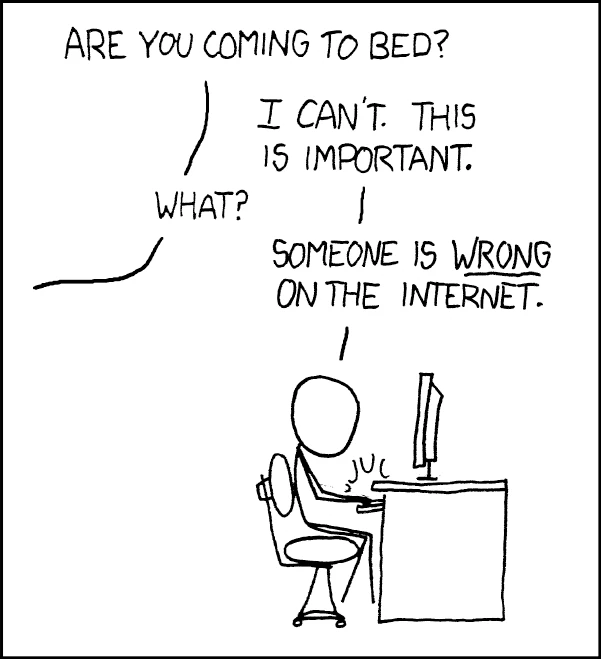
Meta’s algorithms show us posts that mock our political beliefs so that we get angry, spend more time on their apps, and, incidentally, become more polarised.

Worst of all, Meta is aware that these techniques negatively affect users’ mental health, and yet it still uses them.

The user experience is insulting
These “brain-hacking” techniques sometimes get in the way of what you actually want to do as a user.
For example, did you know that on Instagram, you can turn the algorithm off?
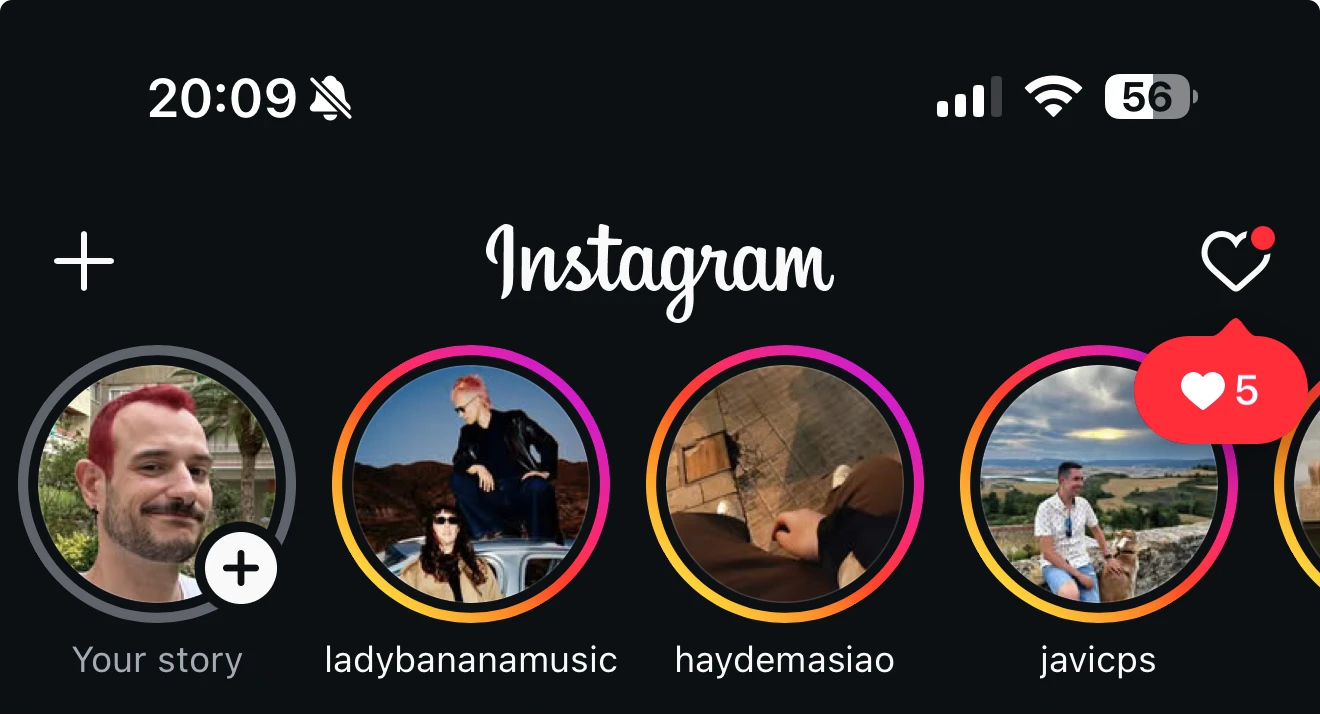
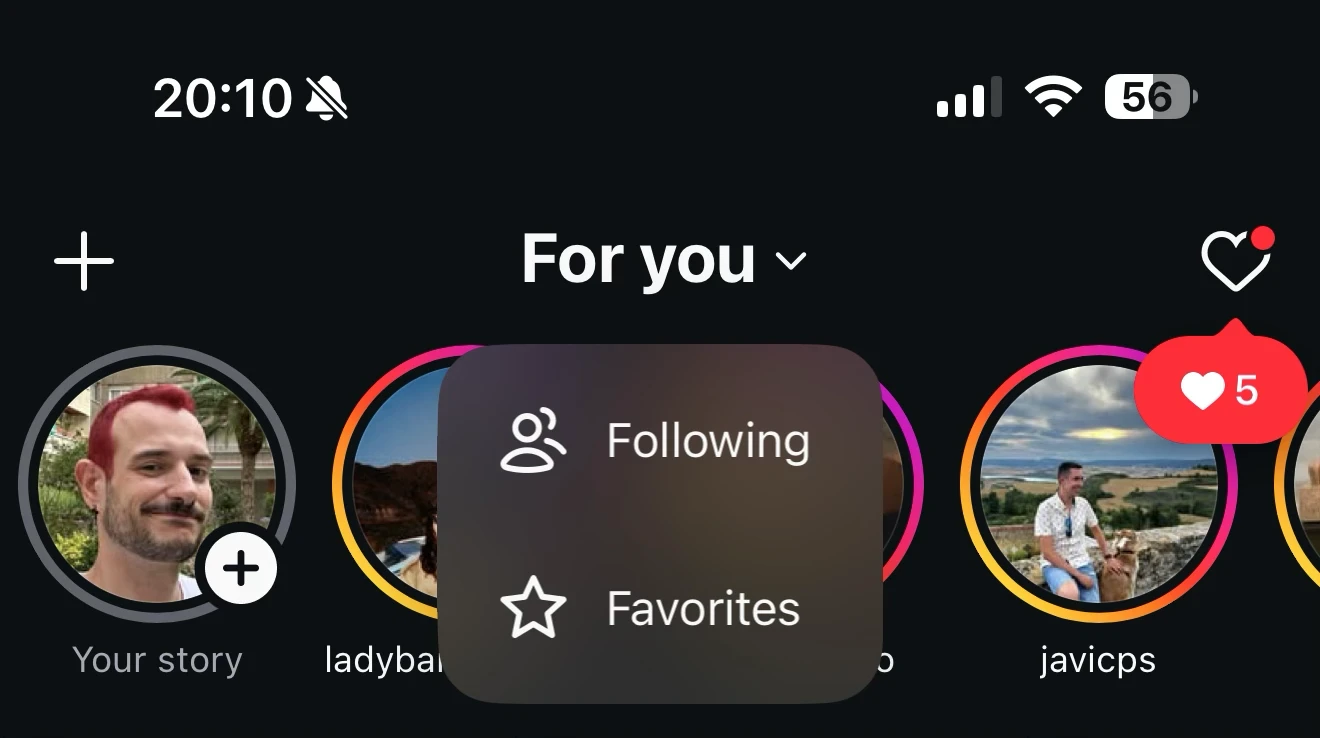
As you can see, this option is hidden.
Another thing that infuriates me is blocking adverts that stop you from doing anything for three seconds.
The privacy settings have far too many options. They’re complicated by design, so most users won’t bother reviewing them.

Recently, they moved messages to the bottom bar. Before, you could go back to the home with a single “go back” gesture, it takes two now. This change works on me, I always end up watching one or two videos before realising that’s not what I wanted to do.

To promote Threads, its social network that competes with Twitter, they show a strip of posts. These posts are incomplete to force you to tap “see more.” This button doesn’t show you the content; instead, it takes you to a sign-up page. If you don’t want to see these posts, you can only hide them for a few days.
Outside Meta, Google Search is another excellent example. Have you noticed that it’s been working worse for a while? It’s not you — it’s designed that way so you spend more time searching and see more adverts:
They use your information to train artificial intelligences
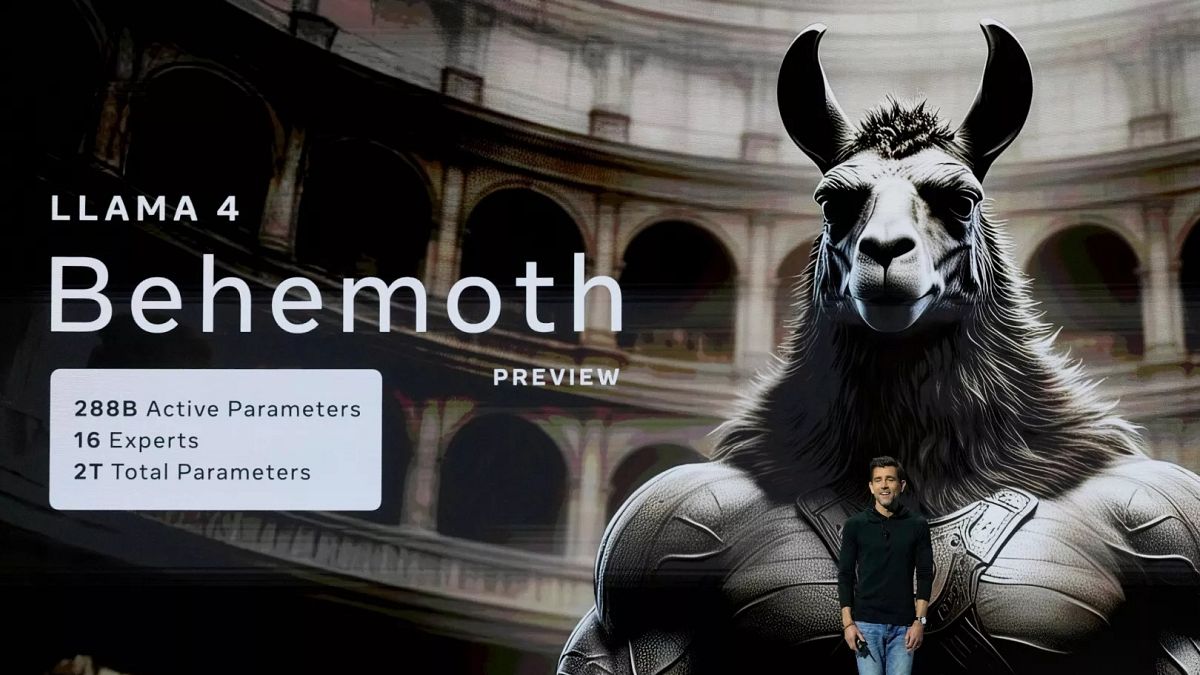
Meta trains its artificial intelligence (Llama) on everything you share with them. This includes text, photos from your posts, and conversations you have with their AI.
They say they don’t train their AI on private conversations. They also say they don’t use them to show ads, but as soon as you mention a product in a chat, you start seeing ads for it. They also claim that messages are encrypted and that they can’t read them, but that doesn’t seem to be the case:

And they’re also the same company that used to spy on everything you did in your mobile browser:

Coming back to Llama, during the creation of this AI, Meta disbanded its ethics team.
Months later, a teenager committed suicide following a recommendation from Facebook’s AI.

At a corporate level, companies have been laying off employees en masse for several years. They claim they’re going to replace jobs with AI, but it seems more like a strategy to drive down wages.

Klarna did lay off employees to replace them with AI, but shortly afterwards had to rehire them.

I don’t like how big tech companies are developing artificial intelligence, and I like it even less that they’re using it as a weapon against their workers. I don’t feel comfortable being complicit.
The Fediverse is much better
The question that’s been on my mind for days is:
why put up with all this when there are better options?
I’ve been using Bluesky and Mastodon for several years, and I feel at home there. In particular, the Mastodon community feels like an oasis in the desert.
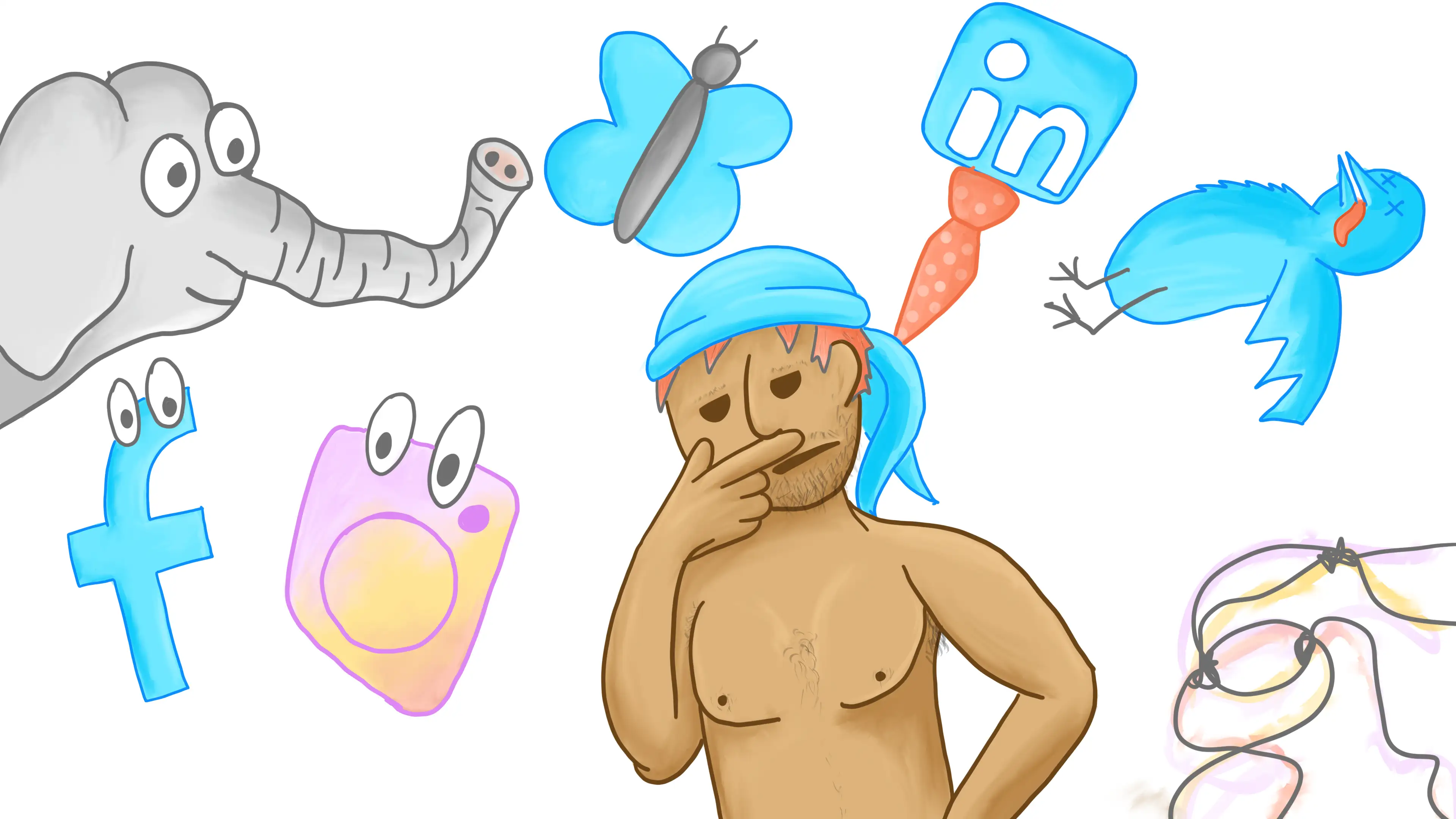
It’s time to emancipate
When we send an email, we don’t worry about our recipient’s service provider. The message will be delivered wether the recipient uses Google, Microsoft, or even if they manage the service themselves.
However Twitter, Facebook, Instagram, or TikTok, are isolated. A single company is in control it all, owns your content, and makes all in their hands so you don’t speak with people from other services.
It feels like a toxic relationship to me, the same attitude as an immature person with low self-esteem.
Fortunately, the world has changed since the first social networks were born.
Mastodon is part of the Fediverse, a collection of distributed social networks that communicate with each other. Mastodon is similar to Twitter, Pixelfed is an alternative to Instagram, Loops imitates TikTok, and PeerTube replaces YouTube.
From my Mastodon account, I can interact with Pixelfed users, for example.
It’s time to emancipate ourselves and take back control of our public squares.
The key is the human factor
The best thing about the Fediverse is that anyone can set up their own server. For example, I have mine at que.pasa.co.
These Fediverse instances are sustained by the community, which helps with moderation and contributes donations. This makes each server a small, well-cared-for community.
On the one hand, the ground is clean. I mean, you don’t find advertising flyers everywhere, and troublemakers are moderated out.
On the other hand, as soon as you arrive, everyone comes out to greet you, and you meet lots of new people.
Even then, if you don’t like the people or content around you, you can migrate your account to another instance with just a couple of clicks.
Where to land?
If you want to create an account on the Fediverse and don’t know where to start, I recommend:
- Masto.es – Like Twitter, Spanish-speaking community.
- Luzeed.org – Like Instagram, Spanish-speaking community.
They’re medium-sized servers where you can have direct contact with administrators and moderators:
There are also adult-content instances (ask me if you’re interested 😅), and they’re very different from Twitter or Bluesky. Most accounts don’t focus on pornographic content (although those exist too), but on communities of open-minded people.
See you in a few weeks
Leaving the places where you hang out with your mates is sad and difficult.
But there’s no other option once the square stops being safe.
I like to think I’m taking on the role of an explorer, and that my experience will help make others’ journeys easier.
In a few weeks, I’ll tell you how the experience went.
Related: